
AJI FARM
Aji
On the farm Aji took over from his father, old coffee trees grow in a valley. Caring for the soil, the water and just the right amount of light is a practice passed from one generation to the next.

Chiang Rai, Thailand
Preparing the scene
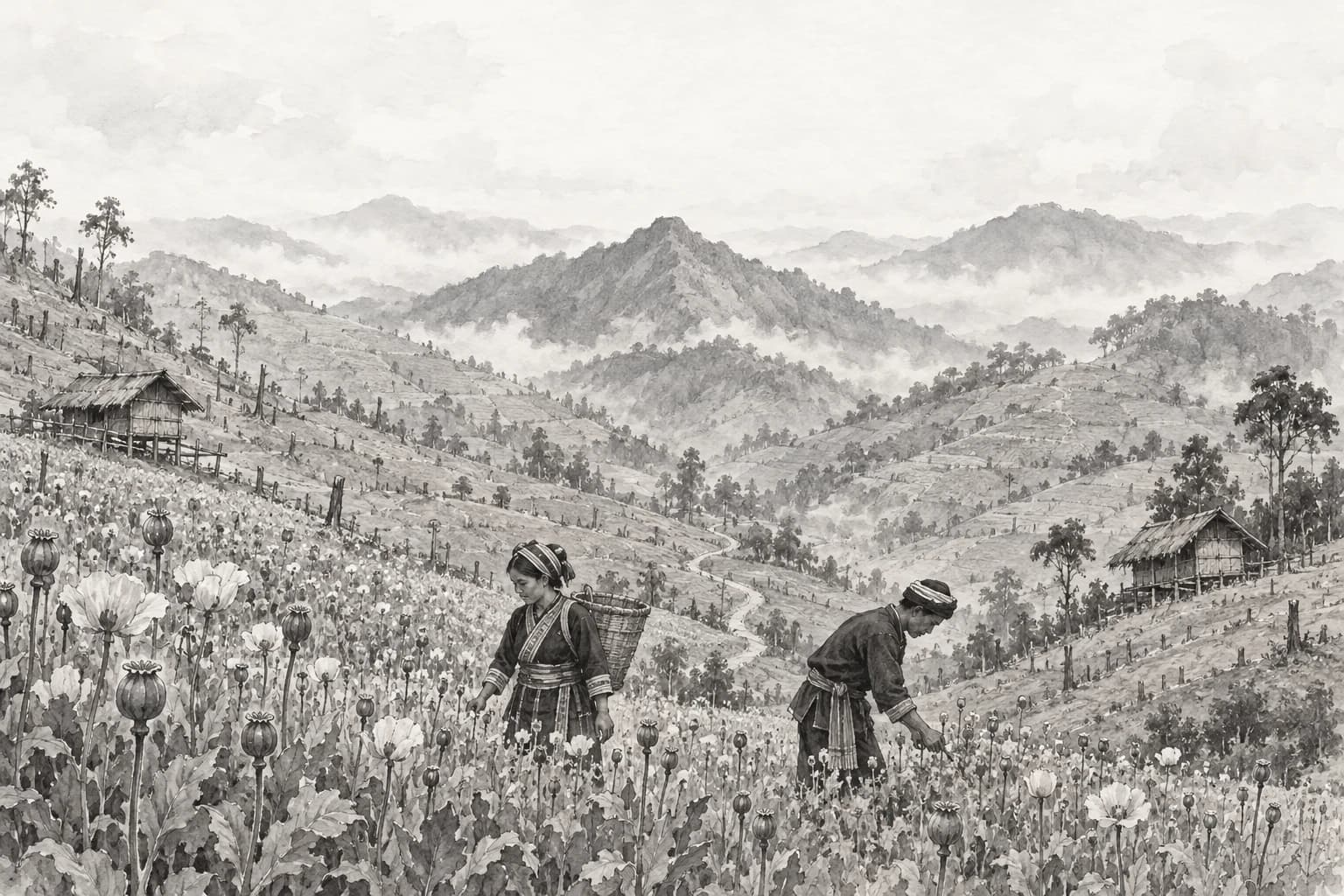
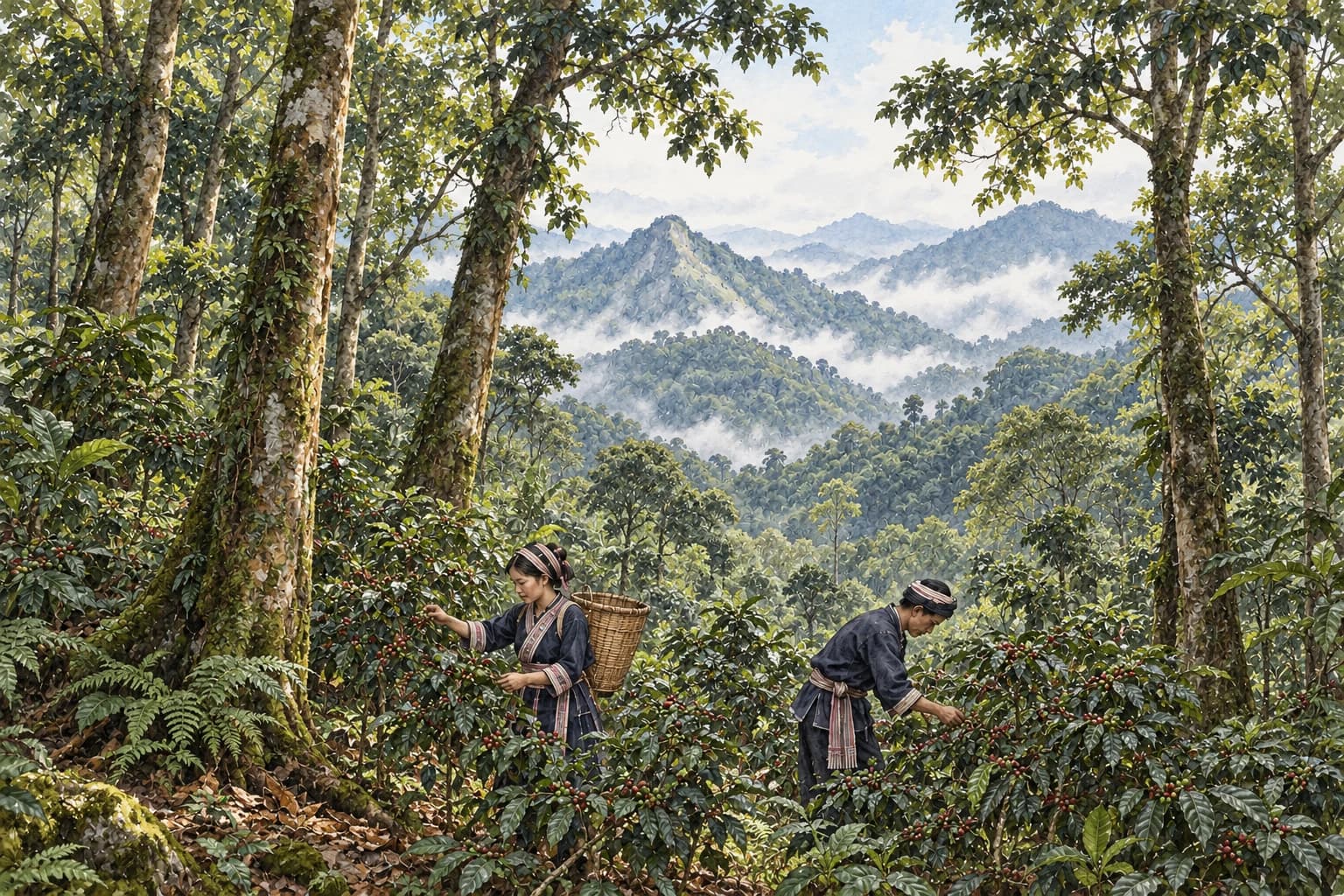
Ripple 1 / Pang Khon
There was a time when opium growing and farming on cleared hillsides were part of life in Pang Khon. Then, slowly, both livelihoods and the landscape began to change.
2002 / A new beginning for the forest
A royal initiative under Queen Sirikit supported livelihoods alongside forest restoration, helping the people of Pang Khon care for the land that sustains them.
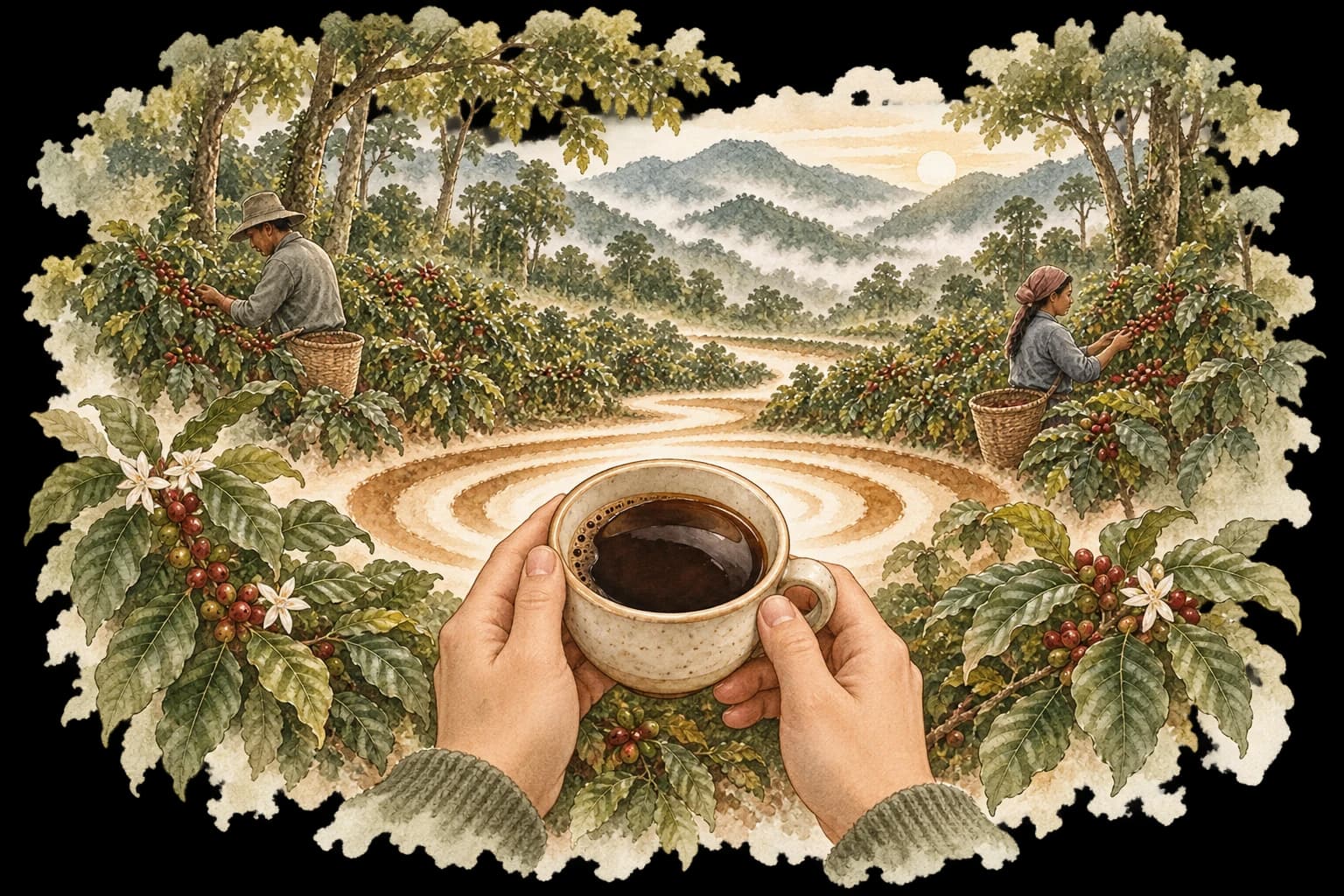
Illustrations inspired by the area's history
A livelihood growing in the shade of trees can change lives and make room for the forest to return.

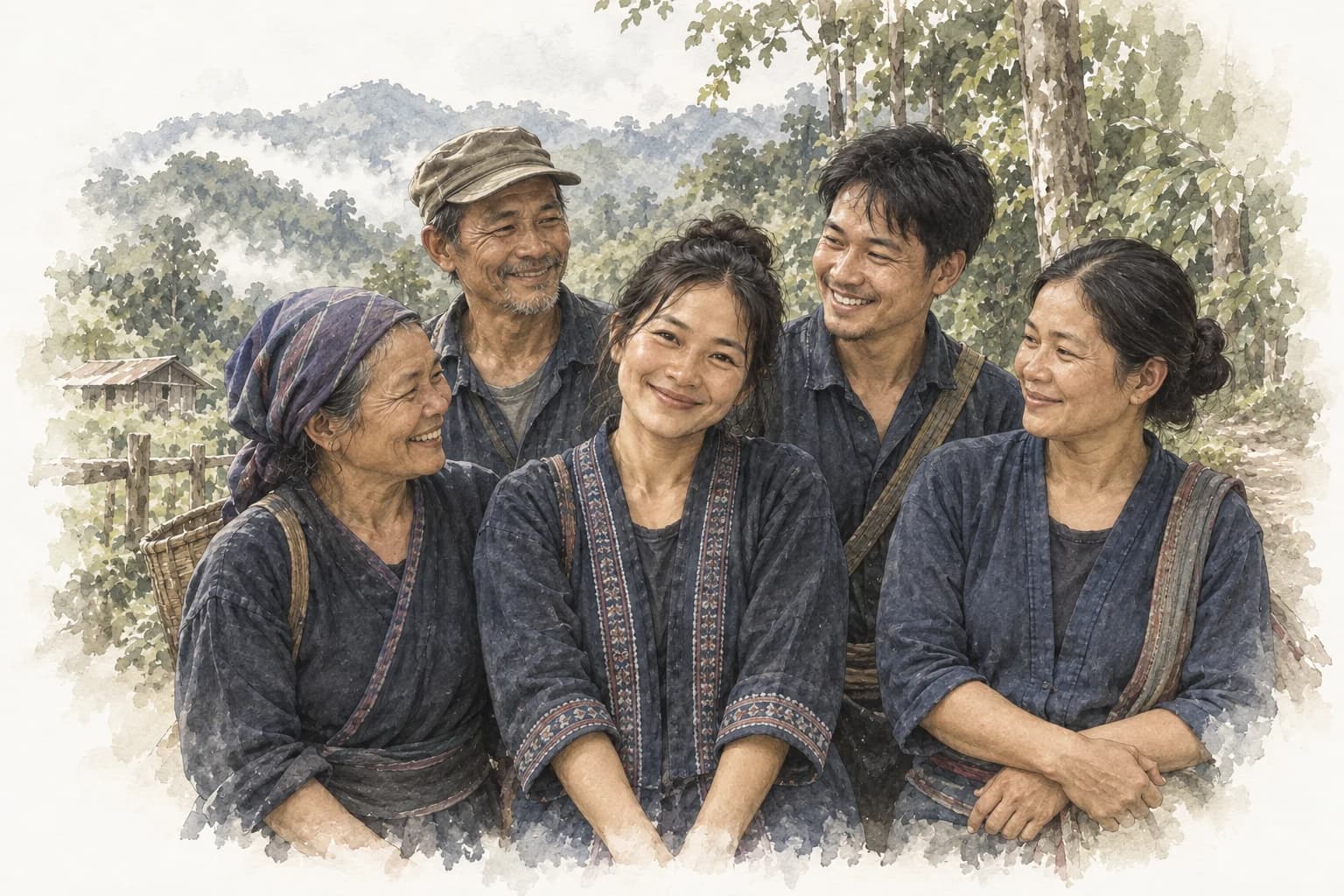

Ripple 2 / Where we meet
AJI FARM
On the farm Aji took over from his father, old coffee trees grow in a valley. Caring for the soil, the water and just the right amount of light is a practice passed from one generation to the next.
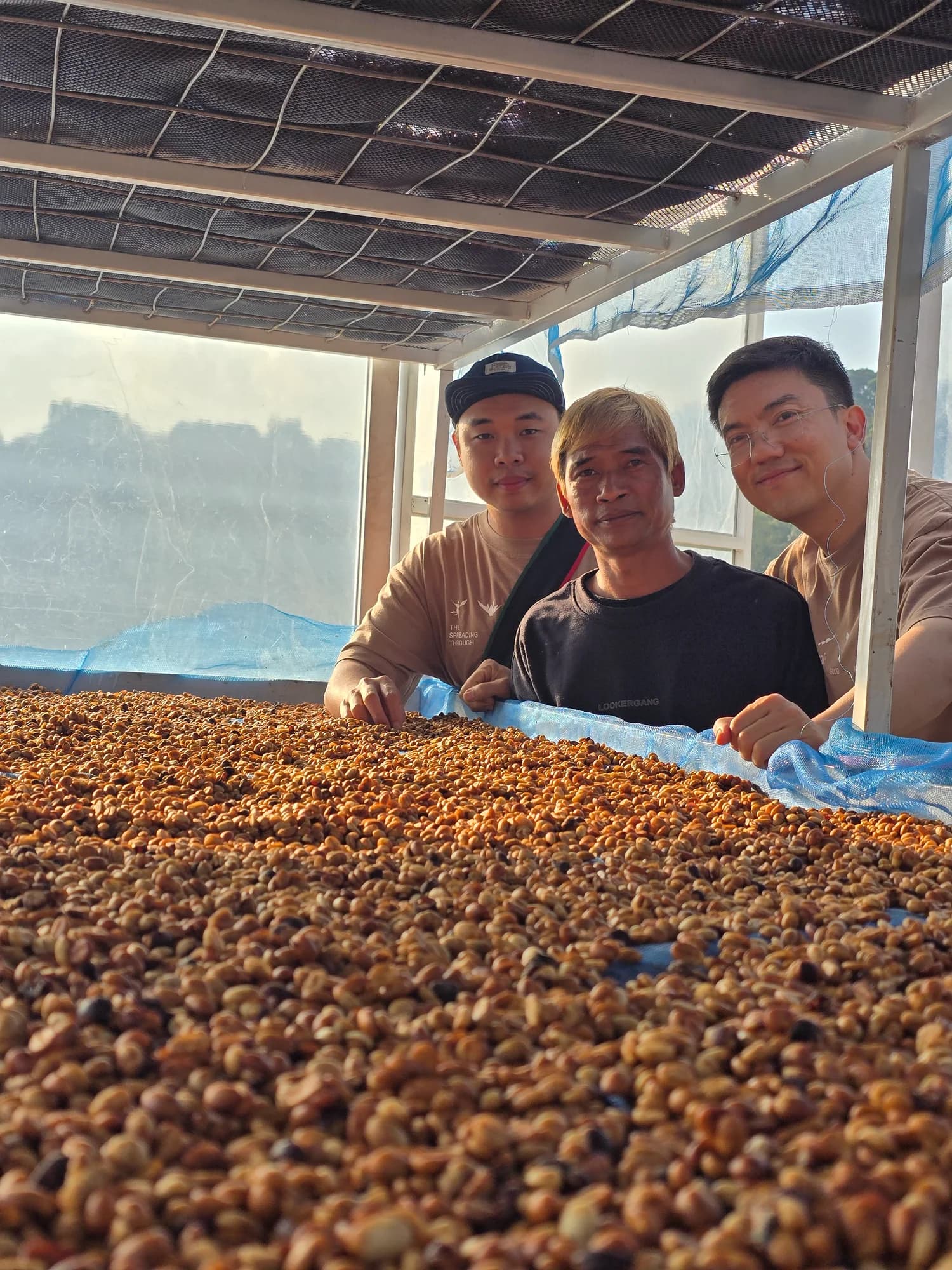
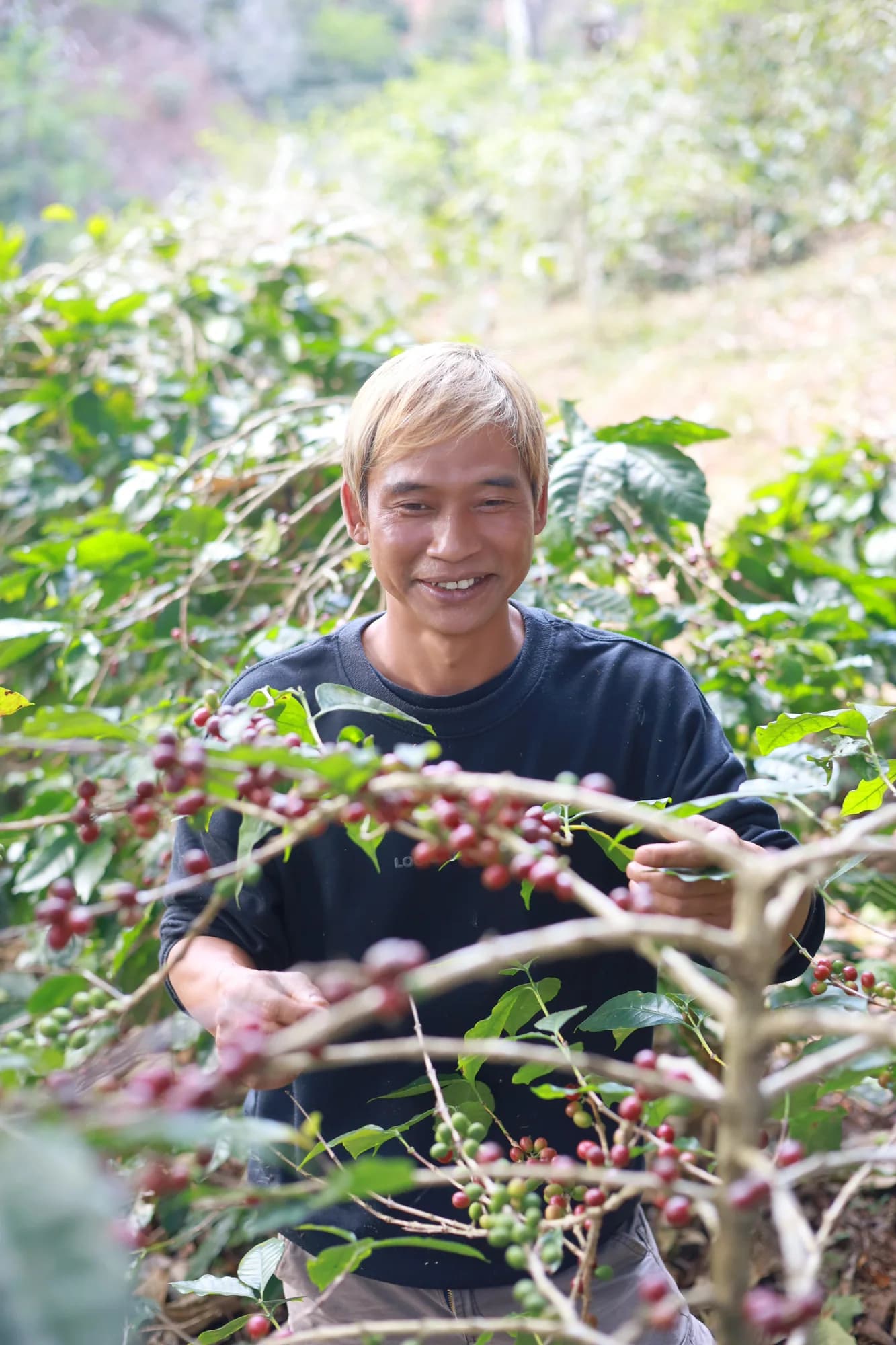
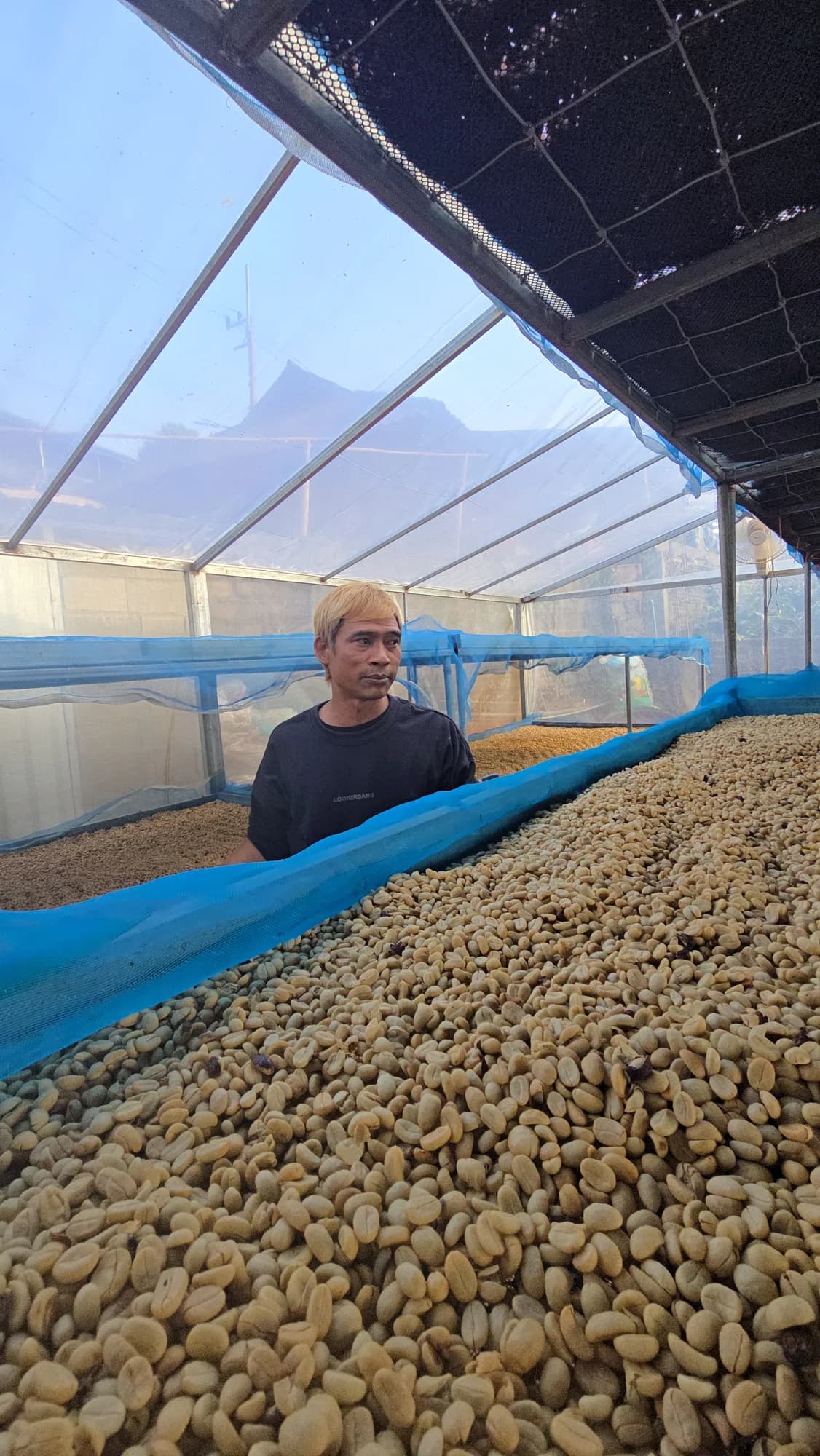

ALEE WUT FARM
Alee cares for his coffee from planting through to sorting cherries by variety and color. These small decisions give each lot a character of its own.
We want the grower's name to travel with the coffee, so every person who drinks it can discover the people, the place and the care behind its flavor.
Tap + to discover each story
FOLLOW THE COFFEE
From Aji and Alee tending their farms, to the people who harvest and process the coffee, to Ripple buying and roasting it, care travels with every step.
Pang Khon, Chiang Rai → Ripple, Bangkok
Origin stories and information · Individual lot details await confirmation
Aji · Alee / Growers in Pang Khon
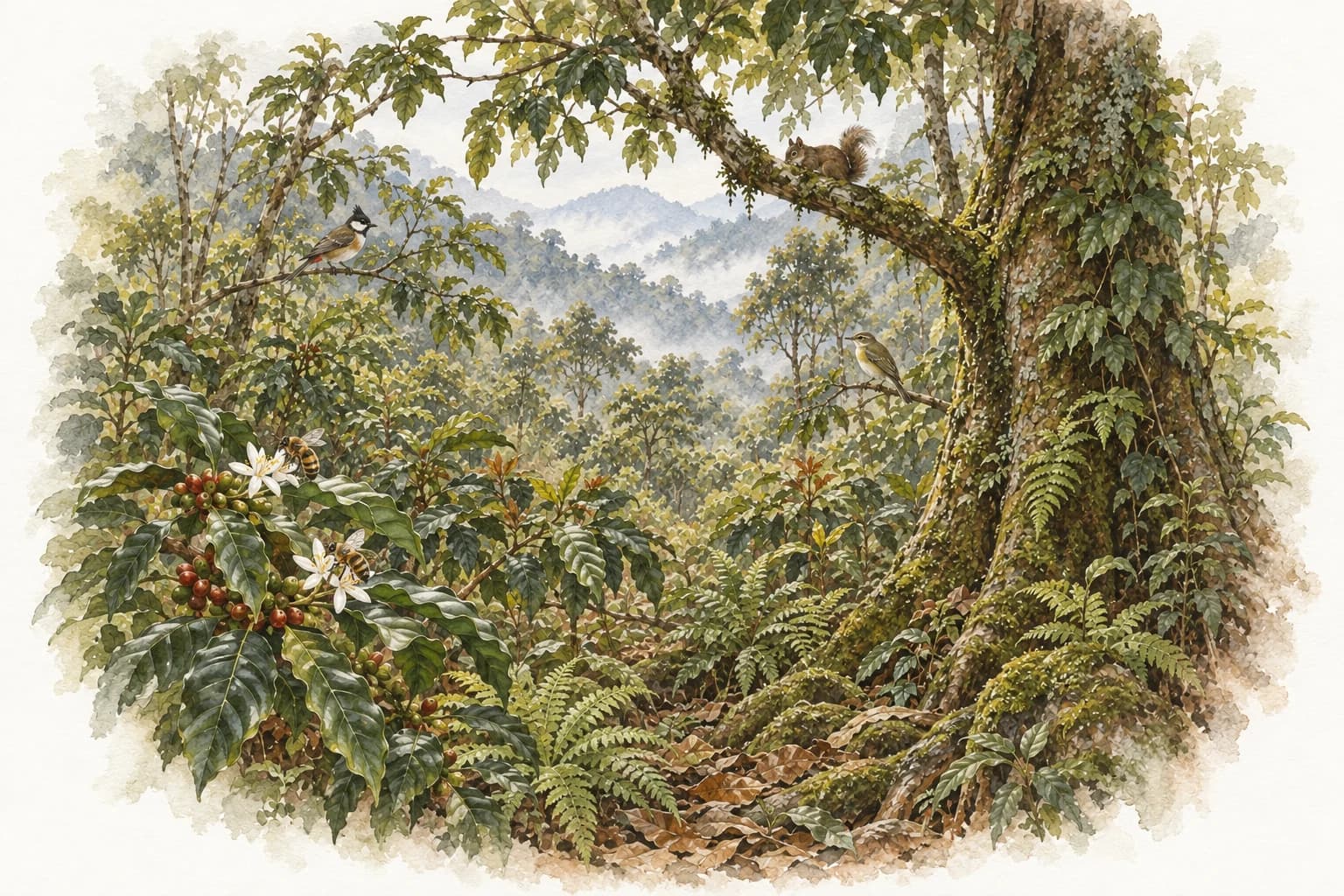
Aji's and Alee's farms are tended every day. Their coffee grows beneath mature trees, while the livelihood it provides helps the growers care for the forest and the ecosystem they depend on.
Livelihoods that grow alongside the forest
Local harvesters · Coffee processors
Tending and harvesting coffee by hand creates work and income locally. For Aji, care also means recirculating water and turning coffee skins into compost, making better use of the resources at hand.
Thoughtful processing and resource use
Ripple · The growers / Purchasing
Ripple talks openly with growers about their actual costs and buys at prices that support a better quality of life. It reports paying approximately 30–40% above the domestic market reference per kilogram, on average.
Income that supports people at the origin
Ripple / Roasting and sharing
At Ripple in Bangkok, the roasters take up the growers' work, letting flavor connect us with the coffee's origin. That care extends to fully recyclable monomaterial coffee bags and the shop's bioplastic drink cups, which naturally occurring microorganisms can begin to break down when properly landfilled.
Knowing the people and care behind your coffee
Ripple 3 / You and your coffee
It begins with the care Aji and Alee put into their coffee, continues through Ripple's purchasing choices, and reaches the choice you make. One cup brings us into the same story.
When you value the growers, the forest and a fair price, you help carry that care forward, so the people at the origin can keep going.
Know the origin · Value the growers · Keep the care going
RIPPLE / PANG KHON
Pang Khon · Chiang Rai · Thailand. Aji's and Alee's farms are tended every day. Their coffee grows beneath mature trees, while the livelihood it provides helps the growers care for the forest and the ecosystem they depend on.
Ripple talks openly with growers about their actual costs and buys at prices that support a better quality of life. It reports paying approximately 30–40% above the domestic market reference per kilogram, on average.
Ripple's care extends beyond the coffee to the packaging it comes in, with attention to both the materials and how they are handled after use.
Our coffee bags are made from a single material (monomaterial) and are fully recyclable, giving the material a chance to be put to use again. These bags are recyclable, not biodegradable.
The drink cups used in our shop are made from bioplastic, which naturally occurring microorganisms can begin to break down when the cups are properly landfilled. This biodegradability depends on disposal conditions suited to the material.
Verified Tier 2 (Oct 2026). The information comes from the business's field visits, supported by evidence gathered through its work and perspective. People in the area have been contacted online to confirm the information. TIM has not yet visited the site or brought the parties together for participatory verification on the ground.